The Gospel

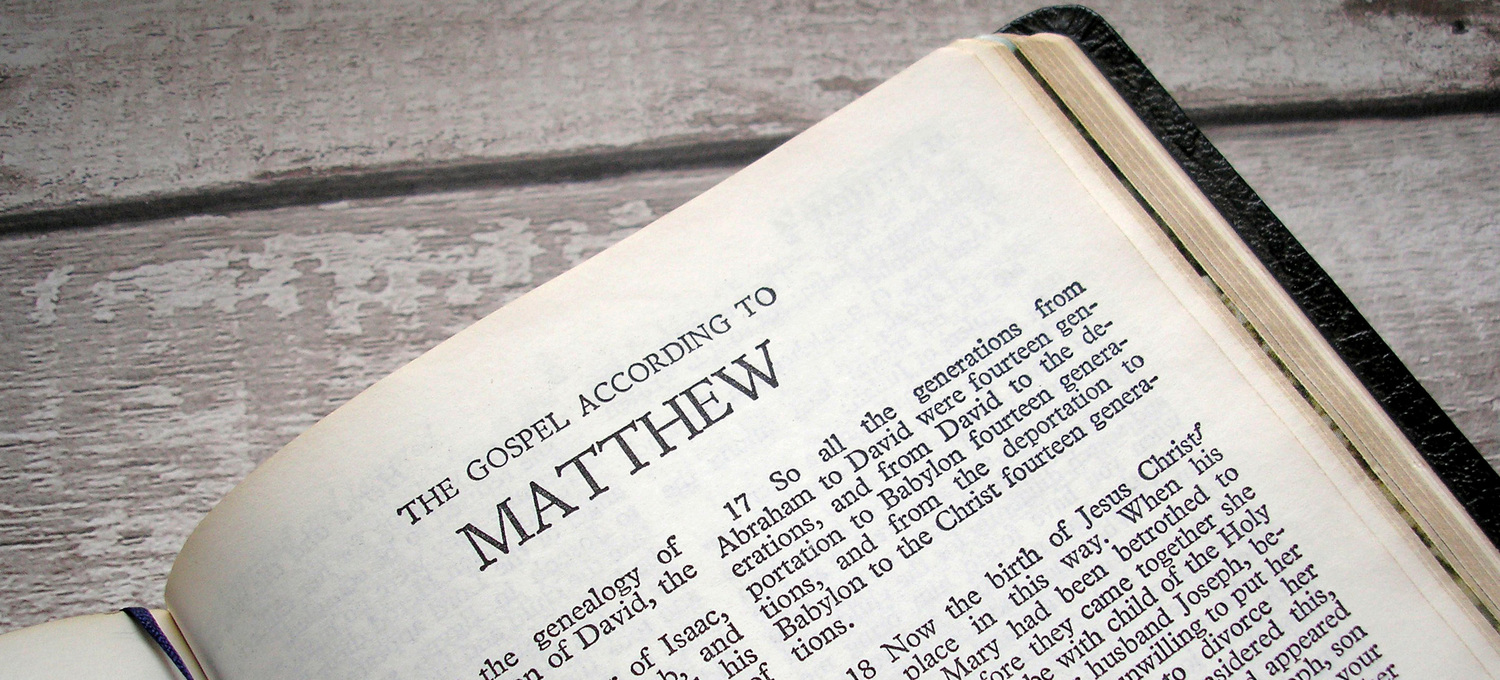
Etymologists, people who study the origin and history of words, tell us that the word gospel was translated from Latin and Greek into the Old English word, gōdspel, which is a compound word formed from the words, gōd, meaning “good” and spel, meaning “message or story.” The Old English term gōdspel became the modern word gospel, which is usually defined today as “good news.” It is also used more generally as a term describing anything that is taken as an article of faith.
The Gospel is at the very heart of Christianity. Every Christian should stand ready to explain what this good news is and what is so important about it. The Gospel can be found throughout the pages of the Bible, both in the Old Testament and in the New Testament. The Gospel is intimately related to salvation, the most important matter we face in this life.
The Gospel explains salvation, the means by which we may become saved. But from what are we saved? The answer is that through salvation, sinners may avoid punishment for a life of sin and become reconciled with God. See Affirmations 20: The Penalty For Sin.
Below we offer a short list of affirmations concerning the nature of The Gospel. Our objective is to promote Bible study in general and the study of the life and work of Jesus Christ in particular:
- The Holy Bible contains both bad news and good news.
- The bad news in the Bible is that (a) all men are sinful by their very nature, (b) in our natural state we are in rebellion against God, (c) the punishment for our rebellion is to spend all eternity in hell and (d) there is nothing we can do about it without God’s help.
- The good news in the Bible is that God has provided a way for some to become reconciled with Him, to avoid hell and to spend all eternity in heaven.
- The good news in the Bible is called The Gospel.
- The Gospel proclaims that God the Father sent his Son, Jesus, to redeem His people (believers; those who come to faith in Christ) from the ravages of hell by paying the penalty for sin on their behalf, thus bringing them into a state of peace (reconciliation) with Him.
- Jesus lived a perfectly sinless life on earth, took the sins of believers upon Himself, exchanged their sins for his righteousness, paid the penalty for their sins by dying on the cross, was resurrected from the dead and ascended back to heaven.
- In the broadest sense, The Gospel is the story of the life and work of Jesus.
- The word gospel also refers to any one of four specific books in the Bible.
- The Gospels are the first four books in the New Testament portion of the Bible. These are the books of Matthew, Mark, Luke and John.
- The four Gospels are four different accounts of the life and work of Jesus Christ on earth.
- The four Gospels are an excellent place for a new Christian to learn about Jesus and to begin an earnest study of the scriptures.